
Roofline & details
Leadwork & Flashing Repairs
Small roof details carry a large responsibility. Discuss worn junctions and possible water entry with a clear view of the whole area.
About this service
Look closely where surfaces meet
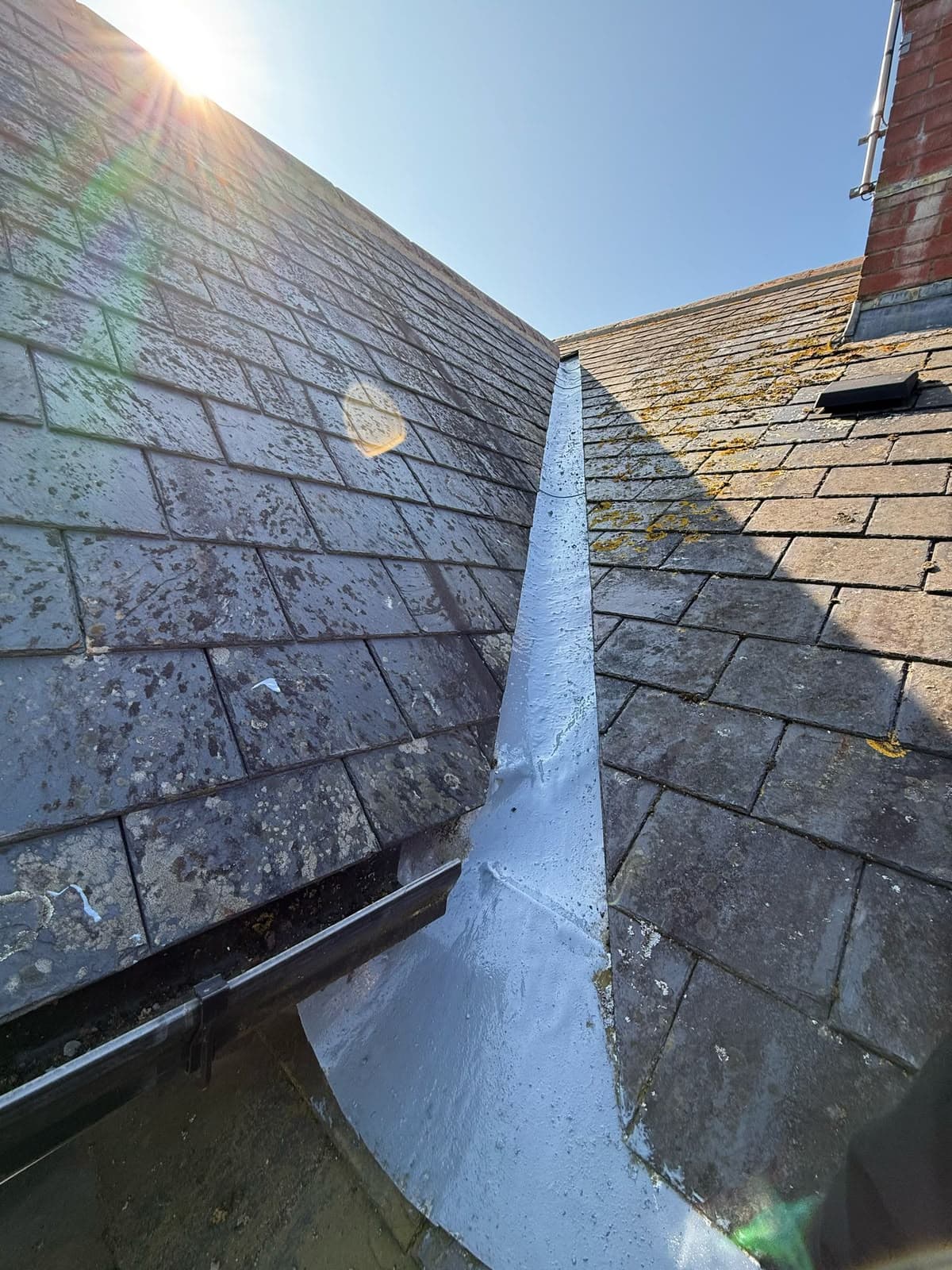
Flashing helps manage water where a roof meets a chimney, wall or other feature. When a junction is worn or displaced, the issue should be viewed with the surrounding roof materials.
What to look for
When a junction needs attention
- 01
Visible lifting, splits or wear at flashing
- 02
Water marks close to a wall or chimney
- 03
Previous patching around a roof penetration
The work
Follow the path water takes
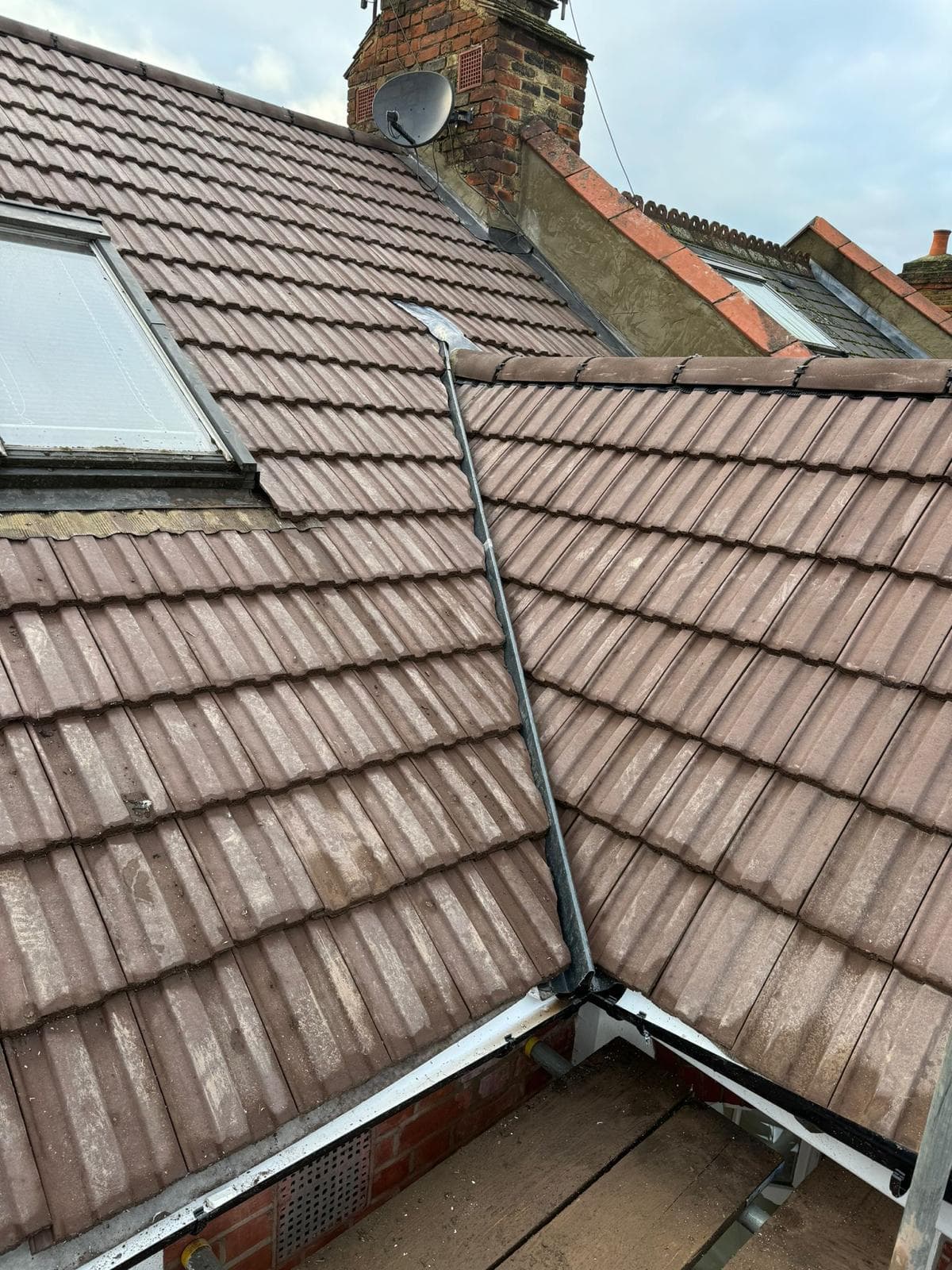
A junction repair depends on how the materials meet and where water is entering.
- Review the adjoining surfaces
- Discuss the condition of existing flashing
- Plan a repair suited to the junction
Next steps
From symptom to detail
- STEP 01
Describe the location
Tell us which wall, chimney or roof feature is affected.
- STEP 02
Review adjacent materials
Surrounding coverings can influence the repair.
- STEP 03
Agree the detail
Define the work needed at the junction.
Common questions
Can a leak near a chimney come from the flashing?
It can, but nearby masonry or roofing may also be involved. The source should be assessed first.
Where is flashing commonly used?
Flashing is used where a roof meets another surface, such as a wall, chimney or roof feature. The precise detail depends on that junction.
What photographs help explain a flashing concern?
A wider roof view and safe close views of the junction can help show its position and condition. Include any damp marks inside if relevant.
Can a junction be assessed without considering nearby tiles or slates?
Usually the neighbouring covering matters because it directs water towards and over the junction. The materials should be viewed together.
Related services
Where we workPriority Cumbria areas
Concerned about flashing?
Tell us where the junction is and what you have observed.